Verify the individual car
This page describes a model, engine or historical subject at archive level. Before using a specification for purchase, valuation or repair, confirm the chassis identity, production date, market version and installed parts of the individual car. Previous repairs and conversions can change what is present. Use the linked factory material for exact procedures and record measurements and observations rather than relying on appearance alone.
From affordable used car to global platform
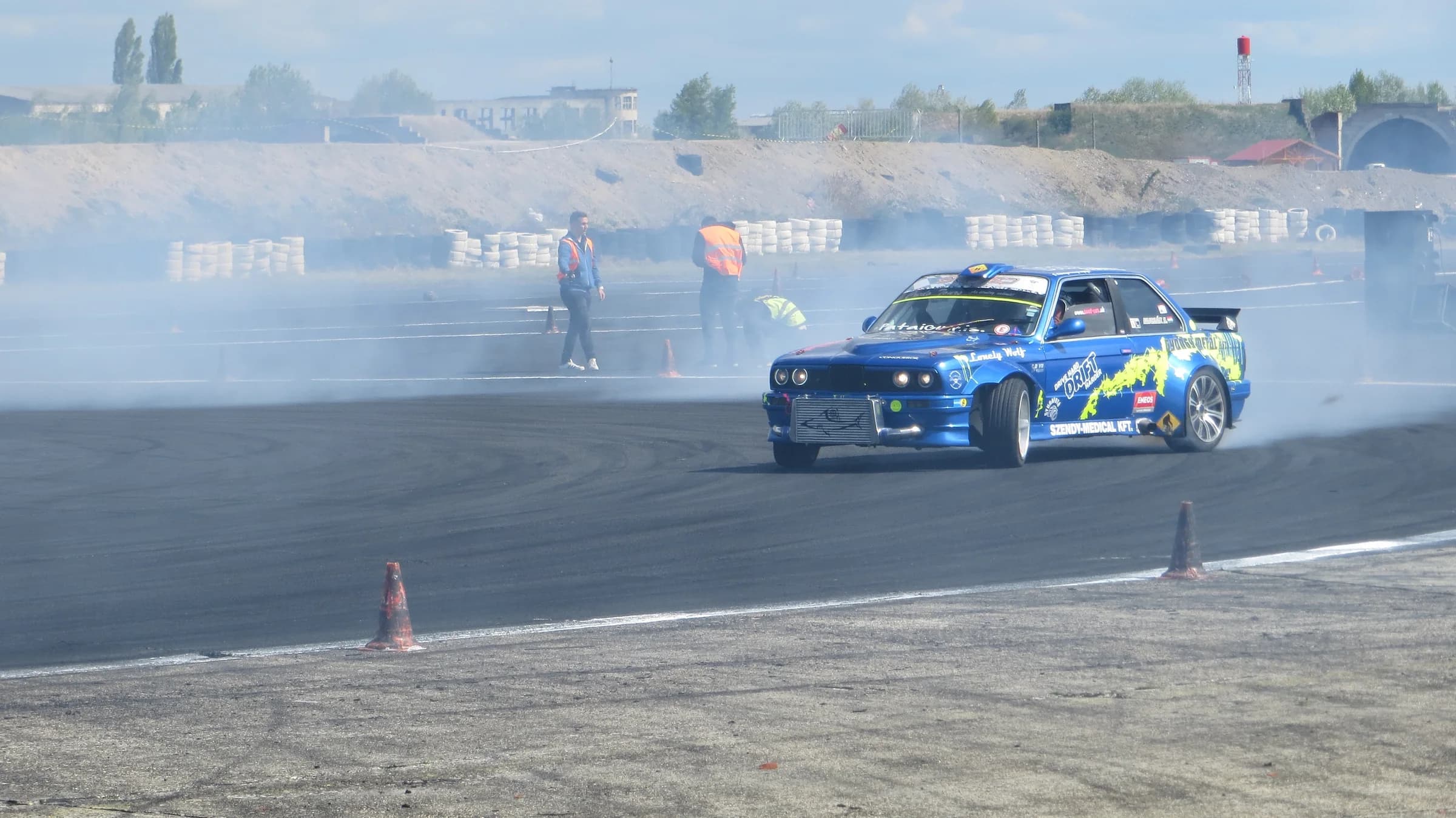
As E30 values fell in the 1990s and 2000s, rear-wheel drive, manual gearboxes and strong parts interchange made them accessible to grassroots drivers. European wet circuits, Scandinavian winter events and rapidly growing online communities spread setups and repair knowledge. The car’s drift identity developed from use, not from a factory marketing campaign.
Understand the semi-trailing-arm rear
Lowering changes rear camber and toe together, so a visually aggressive stance can reduce tyre contact and make behaviour less predictable. Fresh subframe, trailing-arm and differential bushes should precede extreme geometry. Alignment needs to match ride height, tyre and intended surface; copied internet numbers are not a substitute for measurement.
Build the complete system
Seat, belt or harness, cooling, brakes, wheel bearings, fuel lines and battery security are part of a drift build. So are oil control, differential choice and a gearbox that suits the engine’s torque. More steering angle or power only increases the load on neglected parts. A reliable near-standard car creates more seat time than an unfinished high-output project.
Culture and preservation can coexist
Not every shell should become a competition car. Rare, original or structurally exceptional examples carry historical value; already modified or incomplete cars may be better candidates. Reversible work, honest documentation and avoiding needless body damage preserve options for the next owner.